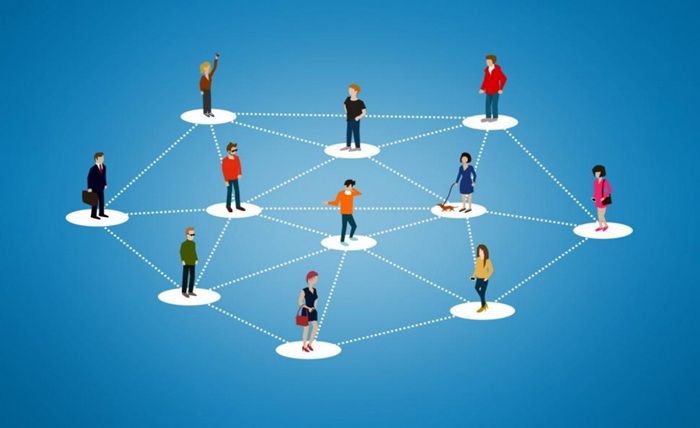
Marketing has always been about connection. The brands that succeed are often the ones that understand their audience, speak their language, and create content that feels relevant rather than promotional. In recent years, one unlikely content format has become surprisingly effective at achieving all three goals: memes.
Once viewed as simple internet jokes, memes have evolved into a powerful communication tool. They appear everywhere—from social media feeds and group chats to brand campaigns and company newsletters. Their popularity isn’t accidental. Memes work because they combine humor, relatability, and visual storytelling into a format that people genuinely enjoy consuming.
For businesses, creators, and marketers, memes offer a unique opportunity to engage audiences without relying on traditional advertising tactics. With modern design tools making it easier than ever to create your own meme, organizations of all sizes can participate in online conversations and connect with audiences in a more authentic way.
The Evolution of Memes
The internet has always had its own culture.
Over the years, memes have become one of the most recognizable forms of digital communication. What began as humorous image captions evolved into a universal language that transcends industries, age groups, and geographic boundaries.
Today, memes are used to:
- Explain ideas
- Comment on trends
- Share opinions
- Tell stories
- Express emotions
This flexibility makes them valuable for both personal and professional communication.
Why People Love Memes
The appeal of memes goes deeper than humor.
At their core, memes help people feel understood.
When someone sees a meme that perfectly captures a familiar experience, they immediately relate to it. That sense of recognition creates an emotional response, whether it’s laughter, agreement, or nostalgia.
This emotional connection is one reason memes generate such high levels of engagement.
People don’t simply view memes—they react to them, comment on them, and share them with others.
Why Brands Are Embracing Meme Marketing
Traditional advertisements often interrupt a user’s experience.
Memes, on the other hand, feel like part of the conversation.
When executed well, meme content can help brands:
Increase Engagement
Users are naturally inclined to interact with entertaining content.
Memes often receive significantly higher engagement rates than standard promotional posts because they invite participation rather than simply delivering a message.
Improve Brand Awareness
People are more likely to remember content that makes them laugh or smile.
A memorable meme can introduce a brand to new audiences without feeling overly promotional.
Humanize the Business
Consumers increasingly want to interact with brands that feel approachable.
Humor helps businesses appear more relatable and authentic.
Encourage Sharing
One of the biggest advantages of memes is their shareability.
A single post can reach far beyond a company’s existing audience when followers begin sharing it with friends and colleagues.
Finding the Right Balance
Not every business should approach meme marketing in the same way.
A technology startup may have a very different audience than a law firm or healthcare provider.
The key is understanding your audience and adapting your content accordingly.
Successful meme marketing requires:
- Knowing audience preferences
- Understanding current trends
- Maintaining professionalism
- Staying aligned with brand values
Humor should enhance your brand identity rather than distract from it.
Real-World Applications Beyond Social Media
Many people associate memes exclusively with social media, but they can be effective in other areas as well.
Internal Communication
Companies often use memes to make workplace communications more engaging.
Whether introducing a new policy or celebrating team achievements, humor can improve employee engagement.
Email Marketing
Strategically placed humor can make newsletters feel more personal and enjoyable.
Presentations
Memes can break up dense information and help audiences stay engaged during presentations.
Community Building
Online communities frequently use memes to strengthen relationships and encourage participation.
Common Mistakes to Avoid
While memes can be powerful, poor execution can have the opposite effect.
Chasing Every Trend
Not every trending meme will fit your audience or brand.
Being Overly Promotional
Memes work best when they entertain first and promote second.
Ignoring Context
Understanding the origin and meaning of a meme is essential before using it.
Forcing Humor
Audiences can quickly recognize when humor feels unnatural.
Authenticity matters.
The Role of Memes in Content Strategy
Memes should not replace other forms of content.
Instead, they work best as part of a balanced strategy that includes:
- Educational content
- Thought leadership
- Video content
- Case studies
- Customer stories
Used alongside other content formats, memes can add personality and increase audience engagement.
They provide moments of connection that make a brand more memorable.
How Memes Support Long-Term Growth
Building an audience takes time.
Consistent engagement is often more valuable than short-term promotional success. Memes contribute to this process by helping brands remain visible, approachable, and relatable.
Over time, these interactions strengthen relationships with followers and create a more loyal community.
People tend to support brands they enjoy interacting with.
Humor can play a significant role in creating those positive experiences.
Conclusion
Memes have become much more than internet entertainment. They are a modern communication tool capable of capturing attention, building relationships, and increasing engagement in ways that traditional content often cannot.
For brands willing to understand their audience and embrace creativity, memes offer a simple yet effective way to stand out in a crowded digital landscape. When used thoughtfully, they can transform ordinary interactions into memorable moments that strengthen connections and support long-term growth.